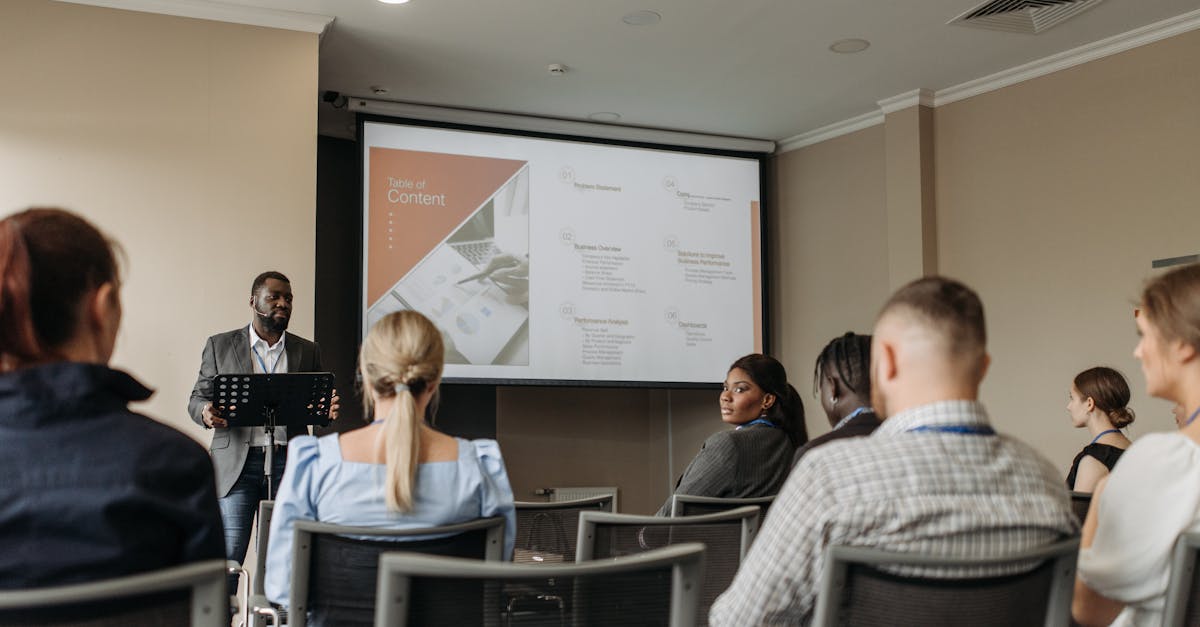
This case describes KOL speaker training with an internist with advanced specialty training, a former president of a national medical association, and twenty-five years as a speaker. He has given hundreds of presentations for academic institutions and for the pharmaceutical industry.

Even so, he came with a specific concern: in his talks for industry, he felt he was only reading the slides he was handed. The goal was for him to regain control of his presentations without touching the technical content he had to respect.
The starting point
Industry clients gave him slide decks that could run past forty slides. Before reaching him, they went through the product manager, the local regulatory team, the global regulatory team, and the health authorities. The result was locked content, validated word by word.
His instinct was to go through the slides in order, as quickly and pleasantly as possible. The talk became long and repetitive, and attention stayed on the screen. There was also a less visible obstacle: he assumed his command of the subject was enough. That certainty cracked when a former student told him, after an event, that he preferred the way he used to present years earlier.
The assessment
The work started from a rubric with six effects a presentation can produce: attention, credibility, applicability, openness, wonder, and inspiration. The physician delivered one of his usual presentations, and both he and his coach evaluated it with that tool.
The presentation was very strong on credibility and applicability, with solid evidence and clear guidance for practice. It fell short on attention and inspiration: it informed well, but it was centered on the topic and not on the person listening.

What we did
Select and prioritize. Reviewing the deck, he recognized that out of forty-two slides, only about six held the core of the message. He could not change the validated content and chose not to. What he did control was selecting, prioritizing, and reorganizing, which freed up time to talk with the audience instead of reading.
Speak to the physician, not about the topic. The presentation was reoriented toward the concrete benefit for the listener's patients. That benefit became the common thread, not just the title.
Bring the topic into the audience's life. He connected what he said with the daily reality of the physicians in the room, in the order of the slides and above all in the conversation. This is the kind of work Leaderlix does in its communication coaching for key opinion leaders when the material arrives already approved.
Results
- Engagement: he took an active part throughout, from the initial goal-setting call to the last individual session.
- Learning: he moved from one-way communication to two-way communication.
- Behavior: he applied it on an expert panel and in a talk for a regional medical society. He showed the slides but carried the message in the conversation, and he felt less rigid.
- Results: on the panel, attendees asked questions actively, and another expert told him he had drawn most of the exchange.
Why it matters to you
If you work with speakers who present locked regulatory material, this case shows that the room for decision is still wide: what to prioritize, how to order it, and how to hold a conversation around it. That room was enough to change the way an audience listened to a physician with twenty-five years at the podium.