
This case follows a medical specialist with more than a decade of giving talks for the pharmaceutical industry who took part in KOL speaker training with Leaderlix. He did not come because he lacked skill. He came because he felt his presentations could convey more than they did.

His daily work combines hospital care with private practice. Over the years he had developed a strength he recognized himself: explaining ideas clearly and drawing on examples from his experience with patients.
The starting point: the slide ceiling
He was a competent communicator who had hit a ceiling. He could explain a topic and hold his colleagues' attention, but his way of presenting depended on the slide. When a presentation was very dense, he had to go over it once or twice beforehand, because reading from the screen broke his concentration.
On video calls the problem became physical. He presented without looking at the other person, with his attention on his slides or on the camera, and with framing so tight that it created a closed-in feeling. Reviewing one of his presentations, he described it himself as stiff and overly structured. The information was there. The presence was not quite.
From the first conversation, three objectives were set, from the immediate to the deeper:
- Improve how he listened to patients so he could understand their views and take them into account when communicating with them.
- Move forward on a new line of research within his specialty.
- In the long term, help improve the health of a group of especially vulnerable patients he treated in his institutional practice.
Communication was not the end but the means. Listening and conveying ideas better helped him connect with his patients, sustain his medical work, and get closer to an outcome that mattered more than any presentation.
What we did
Change the camera angle. The framing went from showing only his shoulders and head to showing his full chest, with his hands and gestures inside the frame. The camera rose to eye level and his posture became more upright. The background changed from a flat wall to a space with a window that lit him and added depth. It was a small technical change with a large effect on what he communicated.
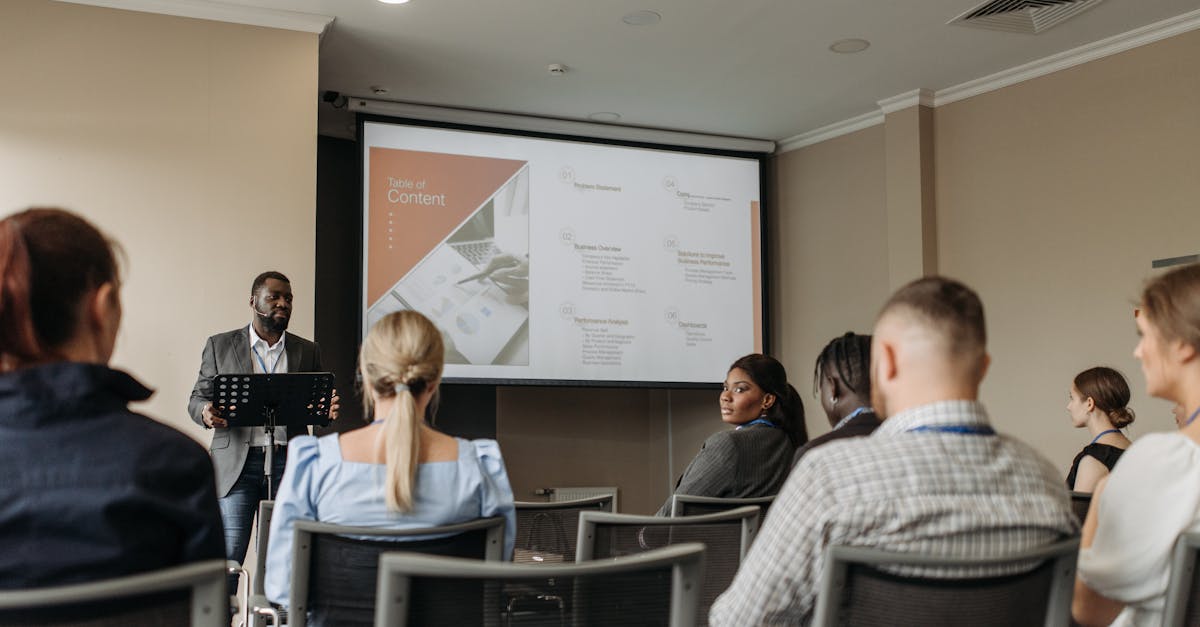
Tell the story in the first person. His presentations were solid for informing and persuading but left little room for human connection. We worked on the difference between telling a patient's story and telling his own story with that patient, where the presenter enters the narrative as the protagonist of what he lived and learned. He practiced this shift in register with real episodes from his practice, told from his own perspective.
Results: what changed off screen
The most lasting effect happened far from formal presentations. He began listening to his patients with full attention, putting his phone away, and noticed that he took in what they told him better before responding. He brought that practice into his conversations with residents and into his family life, and started using personal examples to explain what he used to say in more technical terms.
He also noticed a change in his patients. He felt more satisfied and closer to them, and saw more openness in their attitudes and decisions. He rated the program at the highest level in both evaluations he completed.
At the close he summed up his learning in three ideas: listen openly, practice what you learn, and approach people with empathy. He acknowledged that the change did not yet feel fully natural and that he needed to repeat it to make it a habit. That honest reading comes from someone who understands that communication is consolidated through sustained practice.
Why it matters to you
If you work with physician speakers who already master their subject and want more presence, learn about our communication coaching for key opinion leaders.