
This case documents KOL speaker training that Leaderlix developed with a global pharmaceutical company active in hemophilia. The company wanted to prepare its medical thought leaders as speakers, and the program took place in Mexico with a first group of national leaders in the specialty.

The premise is simple: clinical experience does not make communicators. A physician can spend decades treating patients with hemophilia and still lose the audience in the first few minutes of a congress presentation. Structuring a message, holding attention, and translating scientific evidence into understandable ideas are skills that can be learned.
The starting point
The company already had an established thought leader program. What it lacked was giving those physicians the tools to communicate their messages with clarity and impact, both in in-person forums and in digital settings.
The request was direct: practical, in-person training based on the TED methodology that would let them simplify scientific information without losing rigor.
What we did
The design answered four specific objectives:
- Establish the physicians as speakers with clear, inspiring messages.
- Build their ability to translate scientific information into accessible language.
- Apply the TED methodology to the context of medical communication.
- Provide tools they could use from the very first session.
The program was organized in in-person blocks of three to four hours per group. About 40 thought leaders took part, split into two groups. As a complementary resource, a supporting keynote was recorded for the program.
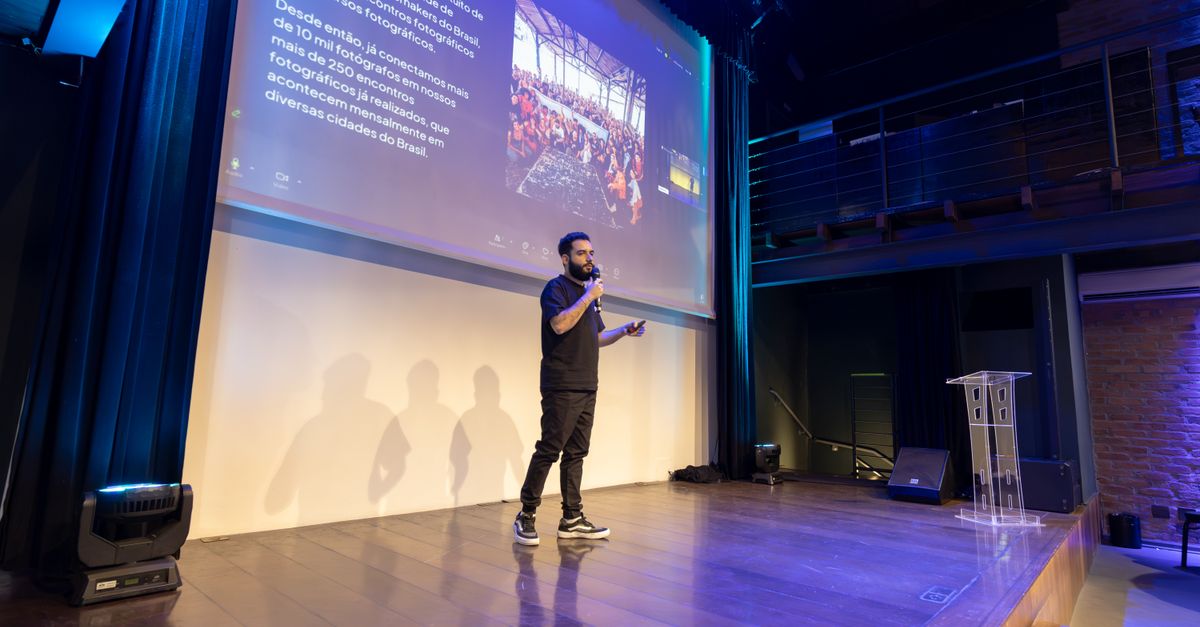
Hands-on work on each speaker's message is at the core of our communication training for medical thought leaders, adapted here to the language and forums of scientific communication.
Why the TED methodology works with physicians
The TED format forces you to decide what the central idea is and to build everything around it. For a physician used to presenting complete data sets, that exercise helps set priorities: which evidence supports the message and what can be left out without losing rigor. That is why it fits the goal of simplifying without diluting the content.
Results
The case describes the instructional design, the participant selection criteria, how the TED methodology was applied to scientific communication, and the documented results of the process. It shows how a healthcare company can systematize the development of its medical spokespeople with a structured, replicable approach.
Why it matters to you
If you work in medical education, scientific communication, or leadership development in the pharmaceutical industry, the full case study gives you concrete elements to evaluate this kind of program.