This case documents a KOL speaker training program that Leaderlix designed for an international pharmaceutical laboratory ahead of a medical meeting in Mexico. Its physician speakers needed to improve their scientific presentations from the podium, and the program delivered within about two months.

Mastery of the clinical content was never in question. What was missing was the way it was presented: how to structure an argument, what to prioritize, and how to hold the attention of a specialized audience.
The starting point
The laboratory came with two different needs running in parallel. The first was a session for the broad group of physicians attending the meeting. The second was more demanding preparation for a small group of key speakers.
For that second group, attending a session was not enough. They had to master a methodology and apply it on their own, consistently, after the program. The two needs differed in scope and depth, and the design had to address both without sacrificing either.
What we did
The solution was organized in two formats:
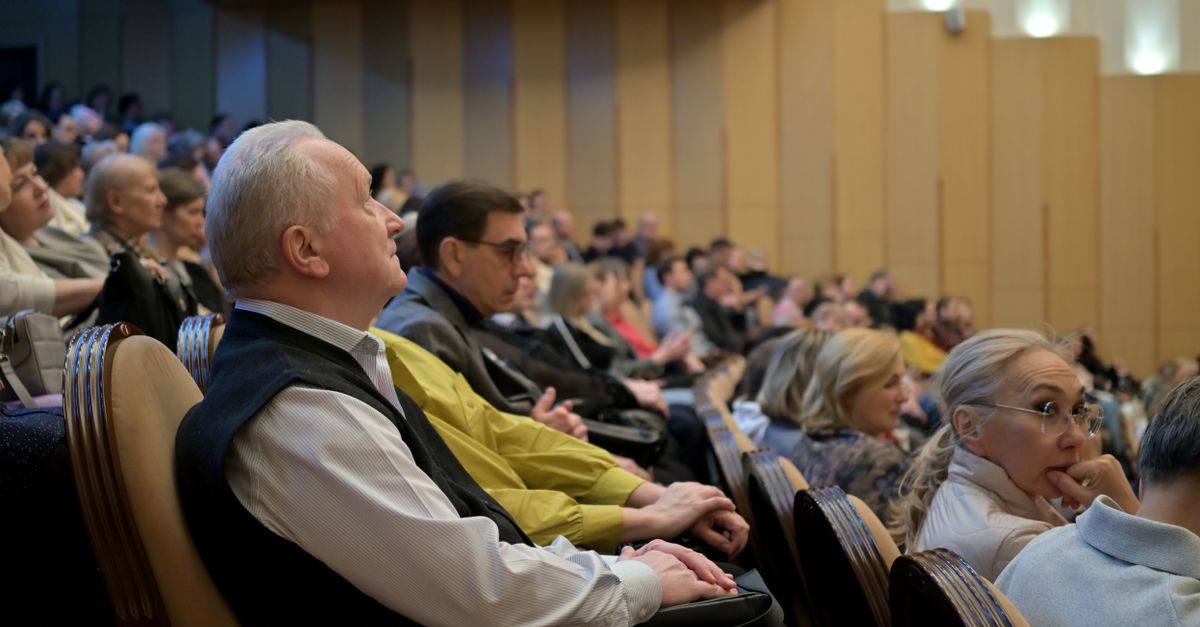
- A 90-minute in-person masterclass for about 50 physicians, built into the agenda of the medical meeting.
- A ten-hour methodology transfer for a group of ten key speakers, with certification at the close.
Both formats worked on the same scientific presentation methodology. What changed was the depth, the duration, and the level of demand. Materials, the sequence of exercises, and the use of time were designed so that what was learned carried over into real work and did not stay in the classroom.

This was not generic training adapted to the context. The design started from the client's specific objectives, with the practice on real presentations that defines our communication training for medical opinion leaders.
The results
Nine of the ten key speakers earned certification in the scientific presentation methodology. Masterclass participants reported that they began applying the steps of the method right from the close of the session.
Why this case matters to you
Many medical areas serve two audiences at once: a broad group that needs a common foundation and a few speakers who will represent the content often. This case shows you that both can be served within a single project, with engagements of different depth and one methodology connecting them.
The full case details the program design, the structure of each phase, the certification criteria, and the factors that influenced the results.