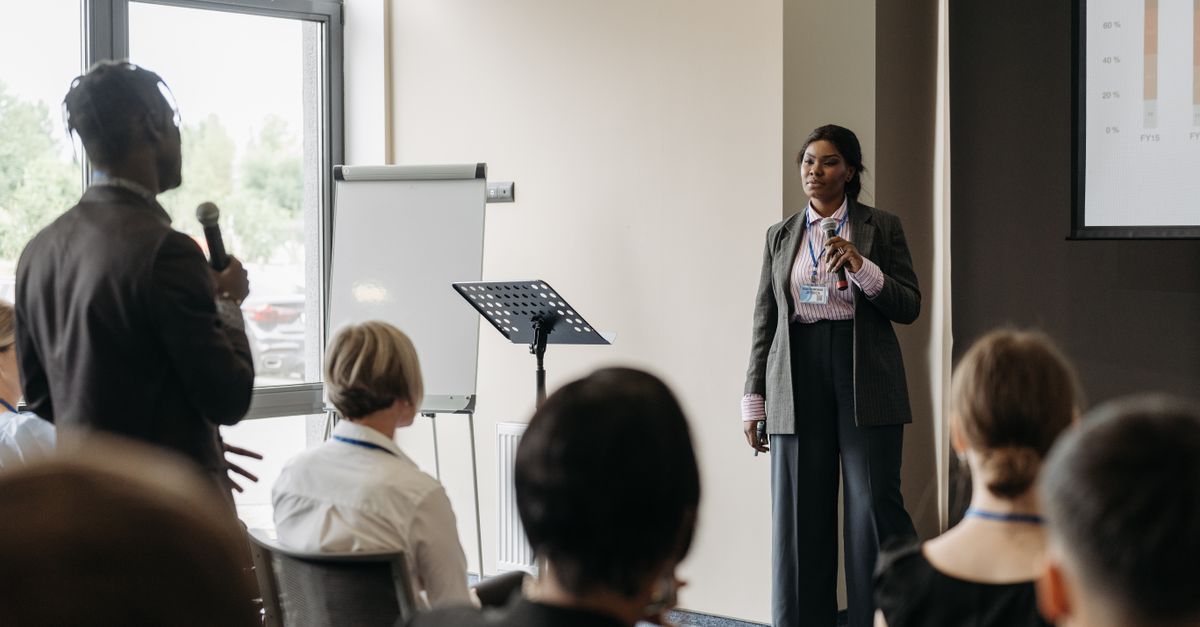
This case shows how a session in the corporate keynotes format solved a specific problem for the pain management area of a global pharmaceutical company with a presence in Mexico. Its representatives presented clinical evidence to physicians who were often unwilling to change their prescribing criteria.

Showing data was not enough. The team needed to communicate persuasively with skeptical audiences, and Leaderlix designed a program based on classical rhetoric to get there.
The starting point
The area's management already knew the Leaderlix methodology from earlier open events. With that background, it decided to commission a program tailored to its team instead of a generic presentation course.
The challenge was resistance to change. A physician with established criteria does not change their practice because someone shows them a chart. They need an argument they find credible, a reason that connects with their priorities, and trust in the person speaking to them.
What we did: logos, pathos, and ethos in the sales call
The program took the three tools of classical rhetoric and brought them into the conversation between the rep and the physician:
- Logos: how to build a solid argument and present evidence in a way that is credible, not just correct.
- Pathos: how to identify what matters to the physician and connect the message with those priorities.
- Ethos: how to project credibility and personal integrity in front of the other person, beyond the data.
About 40 representatives took part in a two-hour in-person session, with an extra half hour for questions and comments. The materials, exercises, and timing were designed so the group would participate actively, not to deliver content from a podium.

Each rhetorical tool was worked on through situations the reps face in their visits. The idea was for them to leave with something they could use in their next conversation with a physician. If you are looking for a format like this for your team, explore our keynotes and masterclasses for companies.
The results
The group stayed engaged throughout the program and during the question period. The client recorded the top rating in the follow-up evaluation. At the close, Leaderlix delivered a report with observations and recommended next steps for the area.
Why this case matters to you
Two well-designed hours were enough to give a technical team concrete tools for persuasive communication. If your reps present evidence to audiences that resist change, this case shows you how to bring that work into a short session.
The full case study includes the detailed program design, the objectives agreed with the client, the documented results, and the recommendations delivered.